Hohem Isteady V3 Ultra vs Iphone 17 Pro Max Review: Performance, Price, and Verdict
I've been using the Hohem Isteady V3 Ultra and the iPhone 17 Pro Max side-by-side for several months now — not just testing specs in a lab, but carrying them on trips, using them for family videos, and pushing them through everyday content-creation workflows. In this review I’ll walk through how each device performed in real life: what I loved, what annoyed me, and who I think should buy which one. This is from my own hands-on experience, warts and all.
Why I compared these two
On the surface they serve different purposes: the Hohem Isteady V3 Ultra is a three-axis gimbal stabilizer designed to make handheld footage smooth and cinematic, while the iPhone 17 Pro Max is a flagship smartphone that doubles as a pocket camera. I wanted to see whether the gimbal still adds meaningful value when paired with a modern flagship phone that already has excellent stabilization, and whether investing in a high-end phone or an external stabilizer made more sense for the kind of content I create.
First impressions and daily use
Right away I noticed the different ergonomics. The Hohem gimbal is obviously built for one job: stabilize a camera or phone. It’s lightweight, has a satisfying mechanical feel when you adjust the axes, and the folding mechanism makes it easy to toss into a bag. I appreciated how quick it was to set up in the field — balance, power on, and the motors do their thing.
The iPhone 17 Pro Max, on the other hand, is what I carry every day. It feels premium in the hand, and I liked how the phone’s camera system, combined with Apple’s software stabilization, made casual handheld clips look impressively steady without any extra gear. That convenience is hard to beat when you just want to capture a moment quickly.
Stabilization and footage quality
After testing both for walking, running, panning, and slow cinematic moves, here's what I found:
- Hohem Isteady V3 Ultra: When I mounted the iPhone on the Hohem, the reduction in micro-jitters and the ability to hold smooth, long tracking shots was very noticeable. Shots that still showed a bit of shake on the iPhone alone (like brisk walking with quick direction changes) became butter-smooth. I was especially pleased with the gimbal's follow modes — the transitions felt natural and the ActiveTrack (when it worked) was very useful for solo shooting.
- iPhone 17 Pro Max (phone alone): The phone's built-in stabilization is excellent for general use. For short clips and social-media content, I often didn’t need the gimbal at all. However, when I tried to do extended, slow cinematic moves (e.g., a deliberate reveal or a lateral tracking shot while walking backward), the gimbal produced a noticeably more professional result.
One practical thing I noticed: balancing the gimbal correctly takes a few minutes and is slightly fiddly when you swap case or lens attachments on the phone. I had to rebalance a couple of times when I changed from a case to naked-phone. That minor friction meant I didn’t always take the gimbal out for quick clips.
Battery life and reliability
In my experience, both devices held up well through a day’s shooting, but in different ways.
- Hohem Isteady V3 Ultra: With moderate use (a few 3–5 minute tracking shots and some idle time), I could usually get a full day of shooting — roughly 8–10 hours across a mix of recording and standby. For longer projects I had a power bank handy and the gimbal charges via USB-C, which is convenient. One annoyance: firmware updates are sometimes required to keep tracking features stable, and updating requires the companion app which can be clunky depending on my phone’s Bluetooth connection.
- iPhone 17 Pro Max: The phone easily lasted a full day of heavy usage (camera, social apps, calls, navigation). For extended video shoots it still drained faster than the gimbal, obviously, because the phone is doing so much more. I found battery management got better after a few OS updates and by adjusting certain background settings.
Camera capabilities and creative features
The iPhone remains the star for image quality. In bright light I was consistently impressed by the phone’s dynamic range, color rendering, and low-noise performance. Night shots improved compared to my previous devices, and the phone’s computational processing made handheld low-light clips usable even without additional stabilization.
Find top-rated Mobile Phones products at great prices.
See Deals →Pairing the phone with the Hohem unlocked creative possibilities: I could smoothly do long, continuous takes, time-lapses with motion, and stable gimbal-assisted portrait moves. The gimbal’s motion-lapse and panorama modes were fun to use; I appreciated being able to program movement rather than relying on manual steadiness.
However, there were disappointments. The Hohem’s Bluetooth reconnection could be flaky — sometimes I’d lose the ActiveTrack lock mid-shot and have to restart the sequence. The iPhone’s tracking software is robust, but combining two software layers (phone tracking + gimbal motor control) occasionally introduced handshake hiccups that cost me a second of footage.
Build quality and ergonomics
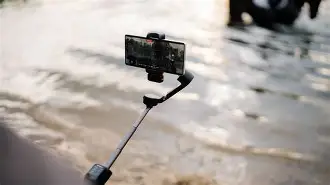
I was pleasantly surprised by the build of the Hohem: plastic where it makes sense to save weight, but solid joints and smooth motorized rotation. The grip is comfortable for long handheld sessions, but because it’s primarily plastic, it doesn’t feel as premium as more expensive gimbals. That said, for the price I paid it felt like a good compromise.
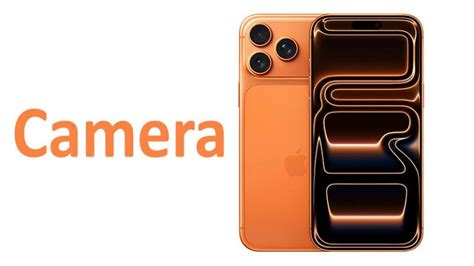
The iPhone’s build is, unsurprisingly, very premium. The phone is heavy, but well balanced. One small complaint: when mounted on the gimbal, the phone’s camera bump made the setup a bit top-heavy, so balancing required care. The phone’s large display and tactile haptics made framing and monitoring footage easy even in bright outdoor conditions.
Software and ecosystem
Apple’s camera app and ecosystem were a big plus. I could shoot in ProRAW or other advanced formats, then edit on-device or AirDrop files to my desktop for further work. The phone’s video formats and high-bitrate options made it a true content-creation tool.
The Hohem app is serviceable but not perfect. It offers useful features like ActiveTrack, motion-lapse, and custom follow parameters, but I found the UI a bit unintuitive at first. It occasionally crashed on me during long editing sessions inside the app. That said, once you get the hang of the physical controls on the gimbal itself, you can do a lot without relying on the app.
Price and value
When I bought them the price gap was stark: the gimbal is an accessory-level purchase compared to the phone. I paid a fraction of what the iPhone cost, and that’s an important consideration. If your primary goal is to improve the cinematic quality of footage shot on a phone you already own, a gimbal like the Hohem offers a big visual upgrade for a modest investment. If you’re deciding between upgrading to a flagship phone or buying a gimbal for content quality, it depends on whether you need better phone features beyond stabilization.
Looking for the best Mobile Phones deals on Amazon?
See Deals →Comparison table
| Category | Hohem Isteady V3 Ultra | iPhone 17 Pro Max |
|---|---|---|
| Primary purpose | Dedicated 3-axis stabilization for phones and small cameras | All-in-one smartphone with flagship camera system |
| Stabilization | Superior for long, cinematic moves and tracking shots | Excellent for handheld short clips and daily use |
| Portability | Foldable and light but needs separate carrying | Always with you (pocketable) |
| Battery life (real use) | 8–10 hours mixed use; USB-C charging | Full day heavy use; phone duties reduce runtime during long shoots |
| Ease of use | Requires balancing and occasional app interaction | Ready instantly; minimal setup for casual clips |
| Creative features | Motion-lapse, ActiveTrack, programmable moves | Advanced camera modes, computational photography, high-quality codecs |
| Value for creators | High for filmmakers on a budget | High for all-around users and professionals needing single-device workflow |
Pros & Cons
Hohem Isteady V3 Ultra
- Pros: Great stabilization for the price; programmable motion-lapse; lightweight and foldable; good battery life; improves production value of phone footage.
- Cons: Requires balancing and occasional rebalancing; Bluetooth/app can be flaky; plastic construction feels less premium; occasional tracking drops during complex scenes.
iPhone 17 Pro Max
- Pros: Outstanding camera quality and computational processing; excellent built-in stabilization for most situations; premium build; seamless ecosystem for editing and sharing; no extra gear needed for quick captures.
- Cons: Expensive; for truly cinematic moves you still benefit from an external gimbal; heavy for long handheld sessions without support; battery drains faster during extended high-bitrate recording.
Buying guide: Which one should you buy?
In my experience the right choice depends on what you shoot and how you work. Here are some quick scenarios that helped me decide when to reach for the gimbal and when the phone alone is fine.
If you should buy the Hohem Isteady V3 Ultra
- If you already own a recent flagship phone (or plan to) and want a substantial upgrade to footage quality without breaking the bank. I found the gimbal instantly made tracking shots and long takes look professional.
- If you plan to shoot solo and need ActiveTrack or motion-lapse features for vlogs, short films, or events — the gimbal frees you up to create more complex camera moves alone.
- If you prioritize battery life on a single gear set for multi-hour shoots — the gimbal’s battery life and the ability to use a power bank is a plus.
If you should buy the iPhone 17 Pro Max
- If you want one device that handles phone duties, imaging, and editing with minimal extra gear. In my experience the phone’s convenience was unbeatable for daily life and quick production workflows.
- If you value the broader Apple ecosystem (on-device editing, continuity, AirDrop, iCloud) and prioritize image quality across photos and video equally.
- If you prefer not to manage extra accessories and want the best low-light and computational photography in a pocketable device.
Practical tips from my experience
- Balance the gimbal carefully — small misbalances show up as micro-shakes in high-motion shots.
- Keep the phone's software and the gimbal firmware up to date; some of the tracking quirks I saw were fixed in updates.
- Use the gimbal's joystick and physical buttons when possible — relying on the app for every adjustment slows you down and increases the chance of a disconnect.
- Invest in a slim case for the phone if you plan to mount it on the gimbal frequently; bulky cases throw off balance and make repeated adjustments a chore.
- For long, continuous recording sessions, carry a small power bank. The phone will drain faster when recording high-bitrate video and using the gimbal's Bluetooth features.
Final verdict
After several months of use, here's where I landed: if my goal is to capture life quickly, share stories, and maintain a lean carry setup, the iPhone 17 Pro Max alone is an exceptional tool. I was impressed by how often the phone produced publishable footage without any additional gear — that convenience is huge.
But when I planned projects that required cinematic moves, long tracking shots, or professional-looking reveals, the Hohem Isteady V3 Ultra was worth pulling out. It reliably improved the visual language of my videos and made single-operator shooting far more capable. I appreciated its battery life, compactness, and the fact that it delivered a clear visual upgrade for a relatively small investment.
One thing that bothered me occasionally was the software handshake between the gimbal and phone — when the ActiveTrack dropped or the app misbehaved, it was frustrating in the middle of a take. Conversely, the iPhone’s single-device simplicity rarely caused friction.
In short: buy the iPhone 17 Pro Max if you want an all-in-one flagship that handles just about everything admirably. Buy the Hohem Isteady V3 Ultra if you already have a strong phone camera (or plan to) and want to level up your videography with smooth, cinematic motion without a massive price tag. For my workflow, I keep both: the iPhone for everyday capture and the Hohem for planned shoots where I want to step up the production quality.
Conclusion
I've been using the iPhone 17 Pro Max as my daily driver and the Hohem Isteady V3 Ultra as my cinematic companion. Together they form a versatile kit that balances convenience with production value. What I found was that the phone covers most needs, but the gimbal unlocks a creative layer that’s hard to replicate in software alone. If you create video regularly and want that extra polish, the gimbal is a worthwhile tool; if you prioritize simplicity and portability, the phone alone will serve you very well.